


Paradise fish/paradise gourami/彩兔
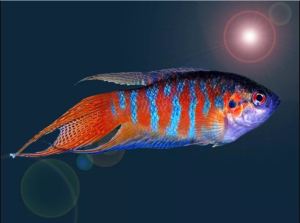
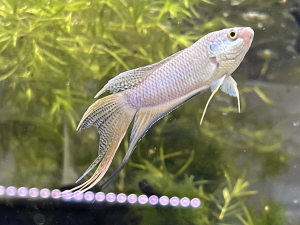
DOA claim upon open carton video/photo taking.(please do not open package if any dead fish found!!! snap photo/video of the inner plastic packaging and inform seller for refund!!)Remember must :0.. make sure the water tank is friendly for fish, chlorine free, water parameter and tempreture suit for fish.Normalisation tempreture,can steep the plastic packaging onto water tank last for 5 minutes.let the fish segment adapt into new water environment, open package, add in slowly tank water into plastic bag (roughly 25% of original base water level of plastic bag) do not block the air, open top packaging last for 5 minutes. observe the fish breath/respiration condition if no rapidly and comfortable, i. than can continue add in another quater of water, after that last for 5 minutes.ii. if fish still breath/respiration rapidly or uncomfortable, last for 5 minutes and continue observe until fishes has breath normal and comfortable, than the next top up water level should be lesser than (25%).C. repeating the add in water process until 75-85% of packaging, than can release the fish into new environment.COMMON NAMES: paradise fish, paradise gourami.SCIENTIFIC NAME: Macropodus opercularisADULT SIZE: 4 inchesLIFE EXPECTANCY: 6 to 8 yearsFamily : OsphronemidaeOrigin:Southeast AsiaSocial : Semi-aggressiveDiet: OmnivoreBreeding:Bubble nest breederCare: EasypH : 5.8 to 8.0Hardness: 5 to 30 dGHTemperature : 61 to 79 FColors and MarkingsThree separate species are all referred to collectively as the paradise fish that are commonly kept in the home aquarium. They look very similar to each other but are distinguishable by the shapes of their tails. Macropodus opercularis has a forked tail; Macropodus chinensis has a rounded tail; and Macropodus cupanus has a pointed tail with several rays extending from its middle.All three species are banded with stripes of vivid color, which appear different according to the angle of the light falling upon it. These bands are blue or green alternating with orange or red. There are also numerous small dots of black or metallic blue scattered over the body of the fish. In all three species, the ventral fins are always orange.In captivity, there are two genetically engineered varieties. There is an albino variety, called the albino macropodus, which was engineered by a commercial breeder in Germany in 1933. It has pink eyes and white, pink, and blue stripes. The other strain is a darker variety called the “concolor” variety.Paradise Fish Habitat and CareThe paradise fish is very adaptable and can adjust to almost any water condition. The size of the aquarium for a juvenile should be at least 20 gallons. On the opposite end of the spectrum, your aquarium can be a 5000-gallon backyard pond full of koi. These fish can handle a wide variety of temperature fluctuations from the weather, but live plants are always a must in any environment housing paradise fish. Paradise Fish Diet and FeedingParadise fish are omnivores that will accept most foods. However, they require a well-balanced diet to remain healthy. In the wild, these predators feed on small fish and small aquatic animals like invertebrates. In a pond, they will greedily eat both mosquito larva and any vegetable matter that happens to fall into the pond.In an indoor aquarium, feed once or twice a day and feed generously. Algae-based flake foods are essential, in addition to meaty foods. Feed small live foods whenever possible. Supplementation should include white worms, blood worms, and brine shrimp.Gender DifferencesMale paradise fish are larger than females and have brighter and stronger color patterns. Their fins are also longer and larger than females. All three species of paradise fish are banded with stripes of vivid color, but all of these stripes are also hormonally intensified in the male during courtship.Breeding the Paradise FishBreeding this species is not difficult. For conditioning breeders, live foods are recommended, as well as high-quality algae-based flake or pellet food. Note that it is important to feed the female heartily and well in advance of attempting to spawn her, as she will refuse food for up to two weeks while she is holding eggs.Keep the male and female in a separate environment with small offerings of live and frozen foods several times a day. When well-fed, females should begin filling out with eggs, appearing very plump. Females not yet ready for egg-laying should be kept away from breeder males as males have a nasty temperament and may mutilate or even kill their intended females.Like most fish in the labyrinth fish family, paradise fish are bubble nest builders. The male builds a bubble nest, woos a female, and then defends the nest to the death. Frequently, males build their nests beneath a leaf. After spawning, the female should be removed from the tank or you again risk the female being killed by the male.To breed paradise fish, place them in a separate breeding tank about 20 gallons in size. It should be set up with the water at a very low level, only about 6 to 8 inches. When the fry have easy access to the air above, the labyrinth organ in the fry can develop normally. Normal water chemistry parameters are fine but raise the temperature to between 80 to 84 degrees Fahrenheit. You can add a small air-powered sponge filter or some peat filtration, but the tank current should be minimal.Hatching time varies with temperature. Generally, the fry will emerge between 30 and 50 hours, but they can take up to 96 hours. When guarding the nest, the male will not eat. But once he does begin to eat food, the male should be removed as he might eat the fry that emerge from the nest. For the health of the male, leave him in place as a dutiful guard for as long as he requires. This way, his protective hormones will subside naturally; removing him too early will be an unnecessary challenge to his health.

EA Aquarium & pets
You May Also Like

Lovinland Pet Dog Grooming Kit Pet Hair Vacuum With Powerful Suction Pet Grooming Tools Clipper Puppy Cat Vacuum with 6 Pet Grooming Tools for Shedding Thick & Thin Dogs Kitten Hair
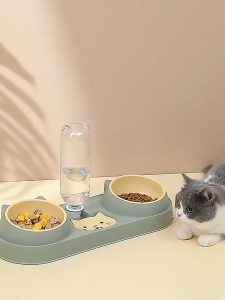
Automatic Pet Water Dispenser Cat Dog Food Bowl Drinker Double Bowls Drinking Fountain Basin Bekas Makanan Kucing

AP AIMAYAPET S/M/L/XL Pet Cooling Mat Summer Pet Nest All Season Universal Pet Ice Bed Breathable Sleeping Pad
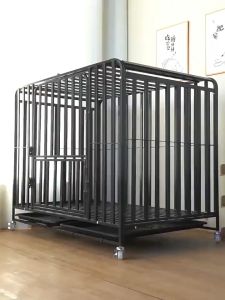
🐶3 Sizes In Stock Dog Cage Mobile Upgraded Six-sided Square Tube Dog Cage With Tray Pet Cage Indoor Dog House 狗笼
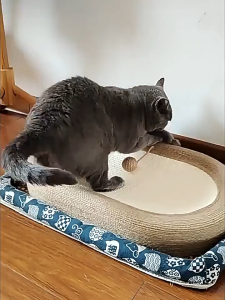
Cat Scratching Board Super Large Oval Wear Resistant Sisal Material Claw Grinding Pad Pet Resting Bed Kucing Pencakar
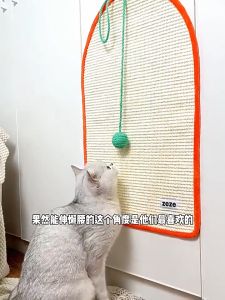
Scratch Board Cat Stand-Up Stickable Sofa Wall-Hanging Cushion Cat Scratch Board Wear-Resistant Protection
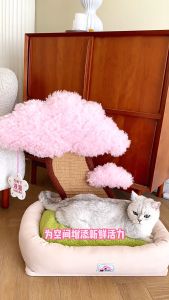
Zeze Cherry Blossom Tree Cat Nest Sleeping Nest Cat Scratching Board Cat Bed Cute Scratch

NANOVET HAIRBALL REMEDY BOOSTER GEL Cat Hairball Paste Health Immune Booster Gel For Dog & Cat 125g
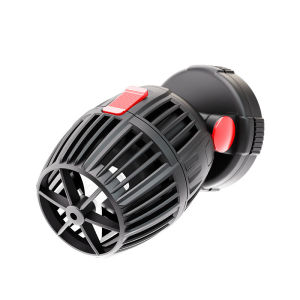
SUNSUN | Ultra Quiet Variable Speed Wave Maker for Stream and Coral Aquariums
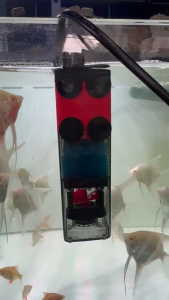
5in1 Mutifunction Fish Tank Filter

Nanovet Pet Extra Virgin Coconut Oil For Cat and Dog