


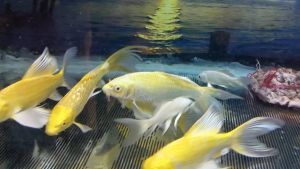
Golden Butterfly Koi / Ikan Koi Kupu-kupu Emas/黄金蝴蝶鲤 17-20 cm
DOA claim upon open carton video/photo taking.(please do not open package if any dead fish found!!! snap photo/video of the inner plastic packaging and inform seller for refund!!)Remember must :0.. make sure the water tank is friendly for fish, chlorine free, water parameter and tempreture suit for fish.Normalisation tempreture,can steep the plastic packaging onto water tank last for 5 minutes.let the fish segment adapt into new water environment, open package, add in slowly tank water into plastic bag (roughly 25% of original base water level of plastic bag) do not block the air, open top packaging last for 5 minutes. observe the fish breath/respiration condition if no rapidly and comfortable, i. than can continue add in another quater of water, after that last for 5 minutes.ii. if fish still breath/respiration rapidly or uncomfortable, last for 5 minutes and continue observe until fishes has breath normal and comfortable, than the next top up water level should be lesser than (25%).repeating the add in water process until 75-85% of packaging, than can release the fish into new environment.Common Names: Hirenagagoi, Water Dragons, Longfin KoiScientific Name: Cyprinus carpioMax Size: ~90cmTemperature Range: 15-25°C, though can survive temperatures close to freezingpH Range: 7-8.5Suitable Foods: Specialist Koi foods, high-protein pond treats, and wheatgerm.Compatibility: Peaceful, can be kept alongside other large pond fishButterfly Koi CareTaking quality care of a Butterfly Koi is essential to ensuring they live a long and happy life. Although Butterfly Koi care is considered generally easily, it is still important that their habitat is well maintained and kept to their standard. Frequent tests should be conducted on the Butterfly Koi water quality, to ensure conditions are suitable. Butterfly Koi can live in a variety of environments, so paying close attention to their demeanor and what they prefer can help to ensure they are at their full happiness potential, in a pond or a tank.Butterfly Koi TemperatureThe Butterfly Koi needs a water temperature in their tank that is consistent with their outdoor habitat. Because they are cold-water fish, they can withstand water temperatures that range from 33 to 90 degrees Fahrenheit, although their water temperature should be maintained between 65 and 75 degrees Fahrenheit. It is crucial to the wellbeing of the Butterfly Koi that their water temperature is kept at bay in extreme conditions. A pond de-icer can be extremely useful for the Butterfly Koi habitat if temperatures drop below 33 degrees Fahrenheit, and a pond deeper than three feet also gives them an opportunity to go dormant safely in the cold. In contrast, water that is too warm in temperature can cause diseases with less dissolved oxygen and more toxic ammonia.Dissolved oxygen tests should be run periodically and are especially crucial in warmer weather conditions. When water temperatures are too high, oxygen levels might be too low for the Butterfly Koi. A good indictor that oxygen levels are depleting is if the Butterfly Koi is coming to the surface of the pond to gasp for air. The Butterfly Koi pond should have adequate aeration through air pump or waterfalls, with an oxygen level reading of 6.00 ppm or above.Butterfly Koi Water pHButterfly Koi prefer pond water with a pH that ranges from 7.5 to 7.8, with slight alkalinity. Readings of the pond pH should be done in the morning and evenings because conditions can fluctuate during the day and night. Butterfly Koi are extremely sensitive to ammonia in their water and there should be zero traces of it in their habitat. Water testing will help to identify is there is any ammonia present in a Butterfly Koi pond, so that it can be controlled immediately. Water should be changed on a consistent basis to ensure that no ammonia develops in the environment.Butterfly Koi SizeThe average size of a Butterfly Koi is 12 to 15 inches in length at full maturity. Although this is the general length for this species, some Butterfly Koi are recorded to reach a size of up to three feet in length when they are taken care of in the most favorable of conditions. The Butterfly Koi not only grows in size with age, but also in grace and beauty as they develop long flowing fins and whiskers.Butterfly Koi Food & DietA Butterfly Koi diet is easy to maintain, with high-quality pellet food making up majority of their diet. These pellets will ensure that the Butterfly Koi maintains a balanced diet and intakes enough nutrients to keep them healthy and growing. Butterfly Koi also enjoy live treats and can eat everything a human would, including oranges, lettuce, peas, and watermelon, as well as shrimp and algae.During warm weather days, a Butterfly Koi should be fed once to twice a day. In cold weather, Butterfly Koi should be fed less because of low physical activity levels and the inclination to go into hibernation. It is also advised to not feed Butterfly Koi after rainstorms because they need oxygen to digest their food and after extreme weather, oxygen levels in the water drop.Butterfly Koi LifespanA healthy Butterfly Koi will live an average of 25 to 30 years in captivity when properly cared for. This means that they have correct water parameters, high water quality, and a suitable diet. Because of their hardiness and resistance to disease, Butterfly Koi are known to live robust lives if they are taken care of well.Butterfly Koi BreedingThe Butterfly Koi breeding process is pretty straightforward, but also involves some interference when picking the most fit Koi to mate, as well as removing the eggs from the community environment for individualized care. Butterfly Koi mating season begins in the late spring, where water temperatures reach 68 degrees Fahrenheit. Male Butterfly Koi will start to exhibit mating tubercles when they are ready to breed, which appear as white spots on the head and pectoral fins.Butterfly Koi Male or FemaleButterfly Koi females tend to be larger than their male counterparts, with more circular bodies that help to differentiate the two apart. The male Butterfly Koi also have more pointed and solid pectoral fins than females, whose appears more round in shape. The males also have longer and thicker pectoral fins, whereas females have shorter and thinner ones.Butterfly Koi DiseaseButterfly Koi are prone to a few diseases and should be monitored to ensure that no symptoms occur. Some of the symptoms that are associated with disease among Butterfly Koi can include but are not limited to loss of appetite, clamped fins, open wounds, ulcers, white spots, self-isolation, restlessness, and gasping at the pond surface. Any of these signs of behavior could point to illness for a Butterfly Koi and should be attended to as soon as possible.Butterfly Koi can suffer from bacterial infections, which should be treated by isolating the infected Butterfly Koi in their own tank space. A vet should be consulted for further treatment and a prescription of medication for the fish may be recommended.Parasites can also pose a health concern to Butterfly Koi and should be removed as soon as they are identified. These unwanted parasites can be removed from the Butterfly Koi with tweezers, but it is important that the entire body is removed from the fish to avoid further infection. If infection occurs, a vet can be consulted for further steps.Butterfly Koi can be easily infected with a disease called Koi herpesvirus or KHV. This is a very contagious virus and there is a very high chance that once a fish is infected, it will likely die in the following days. The fish that survive can carry the virus and infect other fish, as well as potentially the entire tank. Symptoms of KHV include shortness of breath and red or white spots on the gills. Infected fish should be isolated and moved to their own tank as soon as possible.Butterfly Koi Tank MatesChoosing appropriate tankmates for the Butterfly Koi can be a nuisance because they are a cold-water fish. Finding other tankmates that share their habitat needs and lifestyle can be difficult, but still accomplished if a community space is desired.

EA Aquarium & pets
Review
You May Also Like
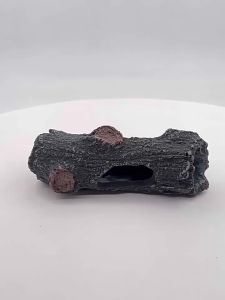
Simulation Hollow Wood Resin Tree Branches Fish Tank Ornament Starfish Landscaping Resin Wood Barrel Tree Debris Aquarium Decor

Yee | Pet-Friendly Non-Tipping Food Bowl
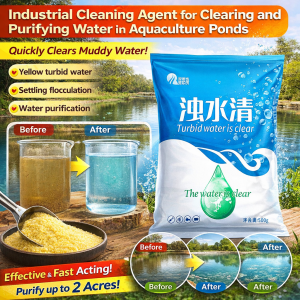
Aquarium Water Purifier Mixed Water Clarifier Muddy Water Clarifier For Improving Water Clarity In Mixed And Impure Water

Dog Toy for Small Medium Large Dogs Food Leaking Ball Slow Feed Puppy Training Toys Improve IQ Giggle Interactive Dog Toy

35-65cm Dog Collar Metal Adjustable Double Row Telescopic Chain Triple Ring Explosion-Proof Punch Collar Dog Training Supplies
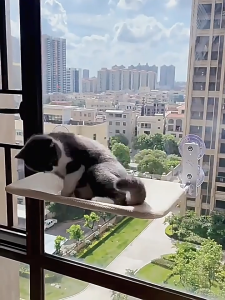
Lovinland Cat Window Perch Cordless Foldable Cat Hammock Bed for Window with Metal Frame and Reversible Cover Large Suction Cups Window Resting Seat for Indoor Cats Machine Washable Seat Cover

Aikenn Hamster Running Wheel Sports Car Design Exercise Roller Ball Breathable Pet Toy Smooth Bearing
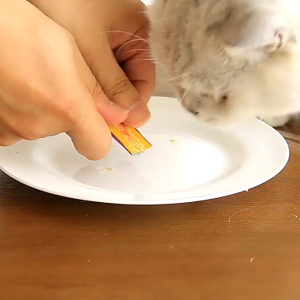
Cat Taro Creamy Licks Mix Flavor / 3 Flavor in 1 Box 360G
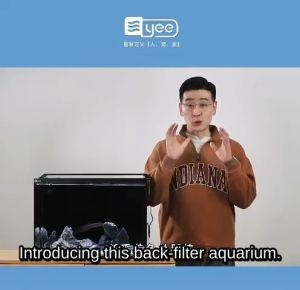
YEE Ultra Clear Super White Glass Built In Back Filter Aquarium Fish Tank Set Sliding Cover Design Dual Filter Chamber
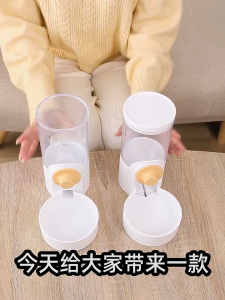
Hanging Pet Feeder Auto Water Dispenser Food Bowl Cage Mount Large Capacity for Cat Dog Rabbit Bekas Air Kucing

meilovmao Cat Teaser Toy Electric Wand Retractable Rope One Button Launcher Interactive Play Ball Stick Indoor Pet