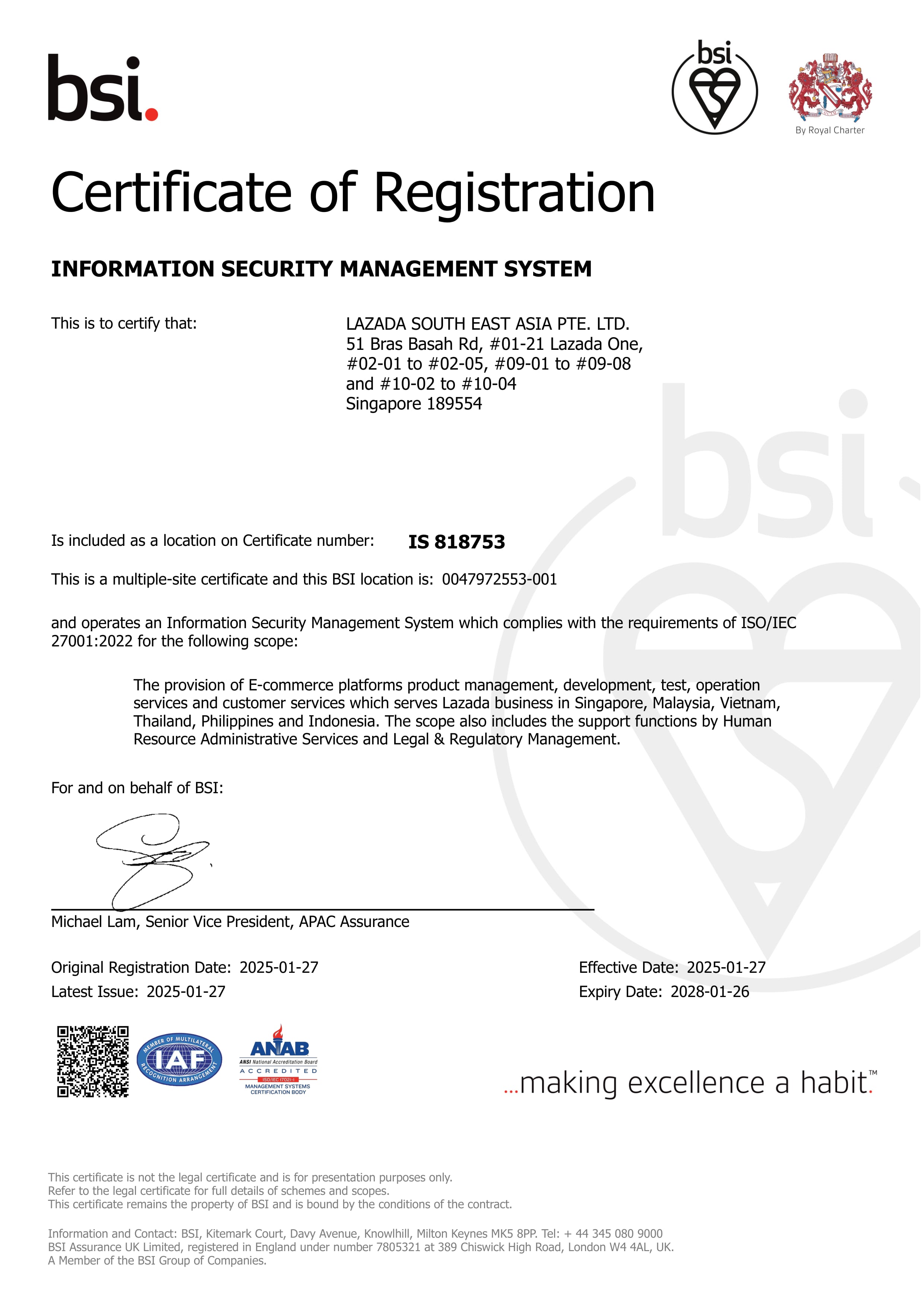



6Packs/Box Dental Stainless Steel K File 31mm/25mm 45-80# Dental Hand Use Endodontic Root Cannal K Files Dentistry Instrument
WHOLESALE & DROP SHIPPINGWholesale: Discount & ExpressDrop Shipping: Discount & No Seller Information. We can also add the label for you if you needJOYOURUI® Stainless Steel Dental K Files (6 Pcs/Box) - OEM & SpecificationsJOYOURUI® Stainless Steel Dental K Files (6 Pcs/Box) support OEM customization.Carton Specifications & Gross Weight (Industry Standard, Based on 21/25mm Standard Length)I. Single Box Basic Parameters (6 Pcs/Box)Single box size: approx. 10×6×2 cm (Length × Width × Height)Single box gross weight: approx. 0.065 kg (including paper box + 6 files/box)II. Bulk Carton Specifications & Gross Weight (Industry Standard)100 boxes/cartonCarton size: approx. 40×30×20 cmGross weight: approx. 0.68 kg (including 100 boxes + outer carton)500 boxes/cartonCarton size: approx. 50×40×30 cmGross weight: approx. 3.4 kg (including 500 boxes + outer carton)1000 boxes/cartonCarton size: approx. 60×50×40 cmGross weight: approx. 6.8 kg (including 1000 boxes + outer carton)III. NotesThe above are general estimated values; there will be a ±5% fluctuation for different brands/lengths (21/25/28/31mm). Common foreign trade standard: The total gross weight of 1000 boxes is approx. 6.5–7 kg.I. Basic Instrument IntroductionK File, full name K-Type File, is commonly referred to as K File in clinical practice. It is the most widely used hand-held instrument for root canal preparation, usually made of medical-grade stainless steel.Structural FeaturesMade by twisting stainless steel wire, it has a square/triangular cross-section, dense threads and deep grooves, with spiral cutting edges at the working end; it has both elasticity and hardness, and can be pre-bent in advance to adapt to the root canal path.Model ClassificationTip diameter: ISO standard 0.02 taper, models range from #06, #08, #10, #15, #20, #25, #30, #35, #40, #45, #50, #55, #60, #70 to #80, increasing by 0.02mm per size, corresponding to color marks such as white/yellow/red/blue for quick identification.Length: Regular lengths are 21/25/28/31mm, suitable for different needs of short anterior root canals and deep posterior root canals.II. Core ApplicationsIt is the core preparation instrument for the entire root canal treatment process. It can be used for root canal exploration, negotiation, shaping and finishing, suitable for straight root canals and slightly curved root canals. It supports various root canal preparation techniques such as step-back technique and crown-down technique, and is the main general instrument for clinical root canal preparation.III. Standard Operating ProceduresPreoperative PreparationIsolate the affected tooth with a rubber dam, select an appropriate JOYOURUI®K File according to the root canal thickness; pre-bend the 1-3mm tip of the file in advance for small/curved root canals; dip in EDTA to lubricate the root canal, mark the working length with a stopper, and check the instrument for cracks and deformation in advance.Root Canal Exploration and NegotiationFirst use a small JOYOURUI®K File (#6/#8/#10), adopt the rotation method: gently rotate clockwise 30°-60° into the root canal, if encountering resistance, loosen counterclockwise, reciprocate 2-3 times, then lift short distances to bring out debris, and gradually negotiate to the working length.Apical PreparationFor the apical 1/3 of curved root canals, adopt the balanced force technique: gently rotate clockwise 1/4 turn to cut into dentin, then rotate counterclockwise 3/4 turn + retract apically, cut along the wall to avoid root canal deviation and ledge formation.Root Canal Shaping and FinishingAfter reaching the working length, adopt the lifting method: attach the JOYOURUI®K File to the root canal wall, gently lift up and down 3-4 times, rotate around the entire circumference of the root canal wall, gradually cut the dentin of the canal wall to complete root canal shaping; each time increasing the instrument size by 1, use the previous size JOYOURUI®K File to recap and negotiate.Final CleaningFinally, recap with the master apical file, clean the debris in the root canal, and fully irrigate the root canal with sodium hypochlorite to complete root canal preparation.IV. Operation PrecautionsStrictly control the rotation angle: the single rotation angle ≤90°, and rotation exceeding 180° is strictly prohibited to prevent instrument unwinding and breakage.Forcible advancement is strictly prohibited: withdraw immediately when encountering resistance, and do not forcefully insert to avoid root canal perforation, ledge or instrument breakage.Irrigate and recap in time: every time the instrument size is changed, the root canal must be irrigated with sodium hypochlorite, and the previous size file must be used for recap to prevent debris from blocking the apex.Moderate pre-bending: Stainless steel K Files can be slightly pre-bent to adapt to curved root canals, but cannot be excessively bent to prevent instrument deformation.Pre-use inspection and sterilization: Check the instrument before each use, and discard it immediately if there are cracks or deformation; clean thoroughly after use, sterilize by high temperature and high pressure, and check the status every time before reuse.V. Usage Methods of JOYOURUI® Stainless Steel Handheld K FilesThere are two manual usage methods for K Files: back-and-forth rotation method and balanced force method.1. Back-and-Forth Rotation MethodRotate the file back and forth, with equal counterclockwise and clockwise angles (about 90°), and the pressure applied by the fingers is very light. The purpose of this method is to explore: use the pre-bent file tip to feel on the root canal wall to find the root canal path.2. Balanced Force MethodFirst rotate the file clockwise at a small angle with slight pressure, then rotate counterclockwise at a larger angle while applying greater pressure. The purpose of this method is to negotiate, which is suitable for pressurizing and negotiating the root canal path. It is recommended that when the file needs to be pressurized in an unnegotiable curved root canal, the balanced force method should be used to avoid root canal wall perforation. During the recap process, we need to cooperate with irrigating fluid to crush the dentin debris attached to the root canal wall and flush it out. This is the golden rule in root canal preparation, which can greatly reduce the occurrence of instrument separation. Generally, the file selected for recap is several sizes smaller than the current prepared size, so that we can safely lift up and down without worrying about being stuck in the root canal or preparing the apex larger.VI. Typical CasesNegotiation of curved root canals: Severe curved root canals of mandibular molars were successfully negotiated to the apex after pre-bending the K File.Opening of calcified root canals: Calcification at the root canal orifice of anterior teeth was gradually negotiated with #08/#10 K Files combined with EDTA.Preliminary root canal shaping: Used as a "path file" before nickel-titanium preparation to establish a smooth channel.VII. Comparison with Other Files (Quick Distinction)JOYOURUI®H File: Round cross-section, single blade, extremely strong cutting force, mainly lifting, non-pre-bendable, suitable for straight root canals, calcification, and filling removal.JOYOURUI®K File: Square/triangular cross-section, multi-blade, moderate cutting force, rotatable + liftable, pre-bendable, suitable for curved root canals and full-sequence preparation.JOYOURUI®Reamer: Fast rotational drilling, rapid shaping of straight root canals, caution in curved root canals.

GlobalLifestyle
Ulasan

Anda mungkin menyukai

The Ordinary 100% Plant-Derived Squalane 30ml | 100% Squalane Hydrating Serum Skin Barrier All Skin Types Hair Treatment
clear nose Vit C Concentrate Super Serum | Antioxidant Protection Skin Radiance Boosting Dull‑Tone Brightening Uneven Complexion Refining High‑Potency Vitamin C Facial Essence For Daily Skin Care

Cute Girl Braid Elastic Horsetail Hair Wig Mix Color Braid Wig Cool Girl
[iRojak] 2pcs Cute Hair Comb Set Hair Comb For Kids Hairdressing Comb 儿童梳子 尖尾梳 Sikat Rambut Kanak Kanak - H105
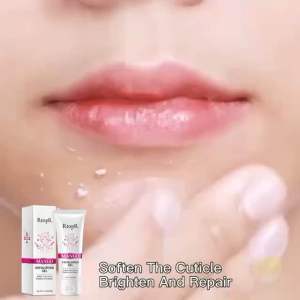
RTOPR MANGO EXFOLIATING GEL pembersih wajah bersihkan daki kulit mati haluskan kulit sekatakan kulit skin glowing pudarkan jeragat bintik hitam

GIRLCULT | Mirror Finish Romantic Matte Lipstick
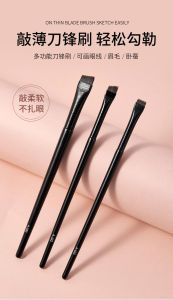
Eyeliner Brush Blade Oblique Eyebrow Brush Eye Silkworm Brush Makeup Brush 斜头眉刷超细平头眼线刷

BORN PRETTY 10ML Jelly Pink Gel Polish Translucent Nail UV LED Soak Off Nail Art Polish Nude color UV Gel Nail Semi Permanent
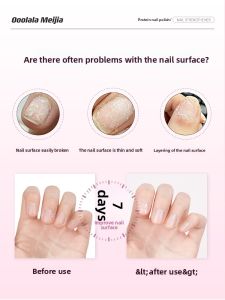
Ooolala Meijia | Thin and Soft Nail Nourishing Shine Nail Oil
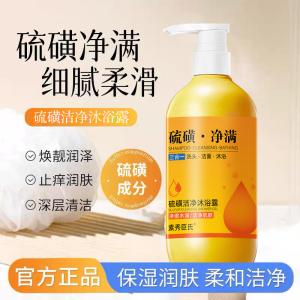
WE 4060 = 硫磺温泉水沐浴露 Sulfur Hot Spring Water Shower Gel Ready stock in Malaysia

Ravenna Beauty Mask 165gm